Announcement, November 2026
Why we start with evidence
To close the gap in care, Kenya first needs to know which communities are being missed and why. The Vision Access Index sets this out county by county, and we develop it with the people who plan health services.
By Abongo Ochich, Executive Director
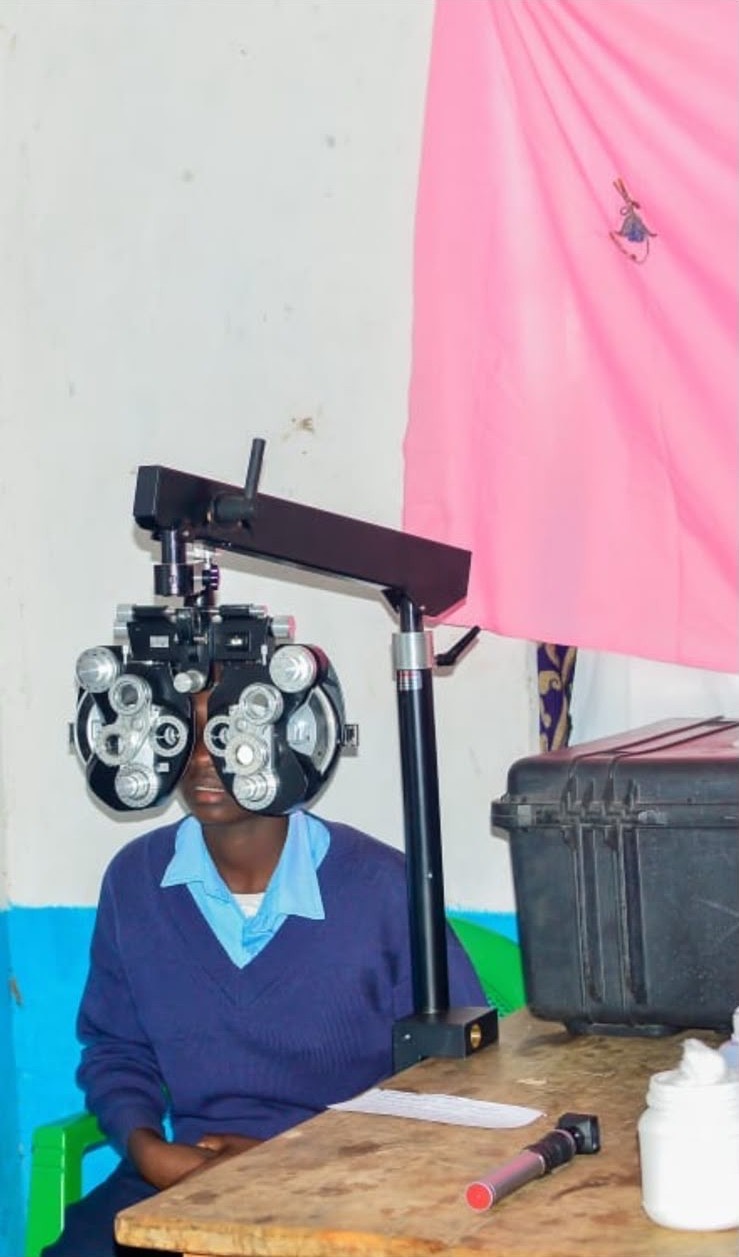
Uncorrected refractive error is a leading cause of vision impairment in Kenya. It is also among the easiest to treat, since a correctly prescribed pair of glasses corrects most cases.
Many people still go without. Eye services cluster in a few urban centres, and a child in a county far from the nearest clinic can go years without an eye test. Refractive error also rarely appears in the health data counties use to plan and budget, so the gap goes unfunded.
Evidence before infrastructure
We started by measuring the gap county by county. The Vision Access Index now covers all 47 counties. Its first indicator shows where severe difficulty seeing is most common, and the next ones will show how hard eye care is to reach.